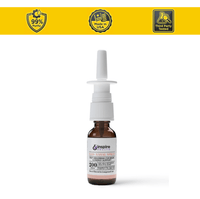
The GLOW protocol — BPC-157, TB-500, and GHK-Cu — is already a comprehensive tissue repair system. So what does the KLOW protocol add? One critical element: targeted, potent anti-inflammatory action through KPV, a tripeptide derived from alpha-melanocyte-stimulating hormone (α-MSH).
The addition of KPV transforms the protocol from a repair-focused stack into a repair-plus-resolution stack — addressing not just the mechanics of tissue healing, but the inflammatory environment that determines whether healing succeeds or stalls.
Why Inflammation Changes Everything
Here’s what most people misunderstand about tissue repair: the body’s ability to heal is directly limited by the inflammatory environment. Acute inflammation after an injury is normal and necessary — it’s the alarm system that mobilizes repair resources. But when inflammation becomes chronic or excessive, it actively impedes healing.[1]
Chronic inflammation damages the tissue you’re trying to repair. It creates oxidative stress that kills repair cells. It shifts immune cells from regenerative (M2 macrophage) phenotypes to destructive (M1) phenotypes. And it consumes resources — particularly NAD+ and growth factors — that would otherwise support repair.
This is why some injuries don’t heal despite the body’s best efforts, and why adding an anti-inflammatory component to a repair protocol can dramatically improve outcomes.
What KPV Brings to the Stack
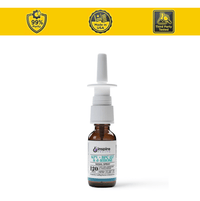
KPV (Lys-Pro-Val) is a tripeptide — just three amino acids — derived from the C-terminal end of α-MSH. Despite its small size, it packs a remarkable anti-inflammatory punch through a specific and well-characterized mechanism.[2]
NF-κB Pathway Inhibition: KPV’s primary mechanism is direct inhibition of the NF-κB signaling pathway. NF-κB is the master transcription factor that controls the expression of hundreds of pro-inflammatory genes. When KPV inhibits NF-κB, it suppresses the production of TNF-α, IL-1β, IL-6, and other inflammatory cytokines at the source — not by masking symptoms, but by turning down the inflammatory signal itself.[3]
Unique Cellular Entry: What makes KPV particularly interesting is how it enters cells. Research published in the Journal of Biological Chemistry demonstrated that KPV is transported into intestinal epithelial cells via the PepT1 transporter — the same transporter used for dietary di- and tripeptides. Once inside the cell, it can directly interact with intracellular NF-κB machinery.[4]
Macrophage Polarization: KPV shifts macrophages from the pro-inflammatory M1 phenotype toward the anti-inflammatory, pro-repair M2 phenotype. This is crucial because M2 macrophages actively support tissue repair — they produce growth factors, clear debris, and coordinate the transition from inflammation to regeneration.[5]
GLOW vs. KLOW: When to Use Which
The GLOW protocol (BPC-157 + TB-500 + GHK-Cu) is appropriate when the primary need is tissue repair and regeneration in a relatively low-inflammation environment — post-surgical recovery in healthy individuals, age-related tissue maintenance, skin rejuvenation, and general regenerative support.
The KLOW protocol (GLOW + KPV) is indicated when inflammation is a significant component of the clinical picture. This includes chronic injuries that haven’t resolved despite adequate time, gut conditions involving active inflammation (IBD, chronic intestinal permeability), autoimmune-related tissue damage, injuries complicated by chronic systemic inflammation, and recovery in individuals with elevated inflammatory markers (high CRP, elevated cytokines).
The Four Components Working Together
KPV resolves the inflammatory environment, shifting immune cells to repair mode and suppressing the cytokine storm that impedes healing.
BPC-157 establishes the vascular infrastructure for repair — building new blood vessels and protecting tissue from further damage.
TB-500 mobilizes repair cells to the injury site and promotes their proliferation and differentiation.
GHK-Cu ensures structural quality — organizing collagen, upregulating antioxidant defenses, and shifting gene expression toward a regenerative pattern.
The sequence matters conceptually: resolve inflammation first (KPV), build the supply lines (BPC-157), deploy the repair team (TB-500), and ensure quality construction (GHK-Cu). In practice, all four are working simultaneously, but KPV’s anti-inflammatory action creates the permissive environment that allows the other three to work at maximum efficiency.
References
- Medzhitov R. “Origin and physiological roles of inflammation.” Nature. 2008;454(7203):428-435.
- Brzoska T, et al. “Alpha-melanocyte-stimulating hormone and related tripeptides: biochemistry, anti-inflammatory and protective effects.” Endocrine Reviews. 2008;29(5):581-602.
- Kannengiesser K, et al. “Melanocortin-derived tripeptide KPV has anti-inflammatory potential in murine models of colitis.” Inflammatory Bowel Diseases. 2008;14(3):324-331.
- Dalmasso G, et al. “The PepT1-transportable tripeptide KPV reduces intestinal inflammation.” Journal of Biological Chemistry. 2008;283(47):32332-32340.
- Luger TA, et al. “Alpha-melanocyte-stimulating hormone as a modulator of skin inflammation.” Pathobiology. 1999;67(5-6):318-321.