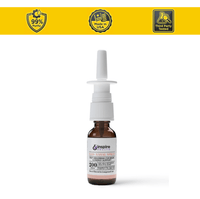
While BPC-157 gets most of the attention in the gut-healing peptide conversation, there’s another peptide that operates through a completely different — and arguably more potent — mechanism for intestinal repair. GLP-2 (glucagon-like peptide-2) doesn’t just protect gut tissue. It actively grows it.
What Is GLP-2?
GLP-2 is a 33-amino-acid peptide produced by enteroendocrine L-cells in the intestine. It’s released after meals as part of the body’s natural digestive response. Its primary biological role is trophic — meaning it stimulates the growth, maintenance, and repair of the intestinal mucosa. It is, essentially, the body’s built-in signal for “build more gut lining.”[1]
GLP-2’s clinical significance was validated when teduglutide (a degradation-resistant GLP-2 analog marketed as Gattex®) was FDA-approved in 2012 for Short Bowel Syndrome — a devastating condition where patients lack sufficient intestinal surface area to absorb adequate nutrition.[2]
How GLP-2 Works
Intestinal Epithelial Proliferation: GLP-2 stimulates crypt cell proliferation — the stem cells at the base of intestinal villi that continuously generate new epithelial cells. This increases villus height and absorptive surface area. In animal models, GLP-2 administration increased small intestinal mass by 50-100% within days.[3]
Mucosal Blood Flow: GLP-2 increases mesenteric blood flow to the intestine, ensuring that regenerating tissue receives adequate oxygen and nutrients. This vascular effect is mediated through nitric oxide and other vasodilatory pathways.[4]
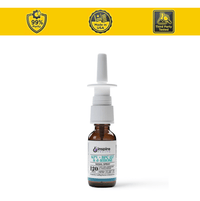
Barrier Function: GLP-2 enhances intestinal barrier integrity by increasing tight junction protein expression — the molecular “seals” between intestinal epithelial cells that prevent unwanted substances from crossing into the bloodstream. This is directly relevant to “leaky gut” (intestinal permeability), which is increasingly recognized as a contributor to systemic inflammation and autoimmune conditions.[5]
Anti-Inflammatory Effects: Research has demonstrated that GLP-2 reduces intestinal inflammation by suppressing pro-inflammatory cytokine production and reducing immune cell infiltration into the intestinal wall. In models of inflammatory bowel disease, GLP-2 treatment reduced mucosal inflammation and accelerated tissue repair.[6]
Nutrient Absorption: By increasing villus height and absorptive surface area, GLP-2 directly enhances the gut’s capacity to absorb nutrients — including amino acids, fatty acids, glucose, and micronutrients. This has profound implications not just for gut disease but for optimizing nutritional status in general.[3]
Clinical Evidence
The clinical evidence for GLP-2 is robust. The pivotal trials for teduglutide (the GLP-2 analog) in Short Bowel Syndrome demonstrated that patients were able to reduce their dependence on parenteral (IV) nutrition by 20-100%, with some patients achieving complete independence from IV feeding. Intestinal biopsies confirmed significant increases in villus height and crypt depth.[2]
Beyond Short Bowel Syndrome, research has explored GLP-2’s potential in inflammatory bowel disease (Crohn’s and ulcerative colitis), chemotherapy-induced intestinal mucositis, NSAID-induced gut damage, and post-surgical intestinal adaptation.
GLP-2 vs. BPC-157 for Gut Health
These two peptides are complementary, not competitive. BPC-157 is primarily protective and reparative — it accelerates healing of existing damage and protects against further injury. GLP-2 is trophic — it stimulates the actual growth of new intestinal tissue. Think of BPC-157 as the repair crew and GLP-2 as the construction team building new capacity.
For individuals with significant gut damage or reduced absorptive capacity, the combination of both mechanisms — protection/repair (BPC-157) and growth/regeneration (GLP-2) — addresses the problem from both angles.
References
- Drucker DJ, et al. “Biologic actions and therapeutic potential of the proglucagon-derived peptides.” Nature Clinical Practice Endocrinology & Metabolism. 2005;1(1):22-31.
- Jeppesen PB, et al. “Teduglutide reduces need for parenteral support among patients with short bowel syndrome.” Gastroenterology. 2012;143(6):1473-1481.
- Drucker DJ, et al. “Induction of intestinal epithelial proliferation by glucagon-like peptide 2.” Proceedings of the National Academy of Sciences. 1996;93(15):7911-7916.
- Guan X, et al. “GLP-2-mediated up-regulation of intestinal blood flow and glucose uptake.” Gastroenterology. 2006;130(1):150-164.
- Benjamin MA, et al. “Glucagon-like peptide-2 enhances intestinal epithelial barrier function.” Gut. 2000;47(1):112-119.
- Sigalet DL, et al. “Enteric neural pathways mediate the anti-inflammatory actions of glucagon-like peptide 2.” American Journal of Physiology. 2007;293(1):G211-G221.